Common questions
Does homeowners insurance cover fire damage restoration in Waltham?
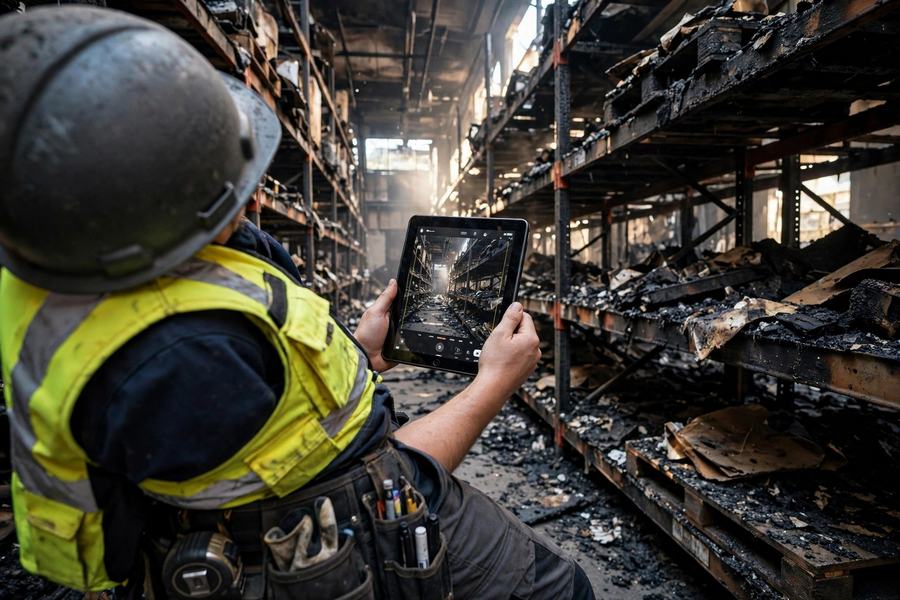
Fire is a named peril in standard homeowners policies, so fire damage is generally covered, including smoke damage to rooms the flames never reached and the water damage from putting the fire out. The disputes are almost never about whether fire is covered; they are about scope and price. Keep the contractor's itemized written scope, the moisture and cleanup documentation, and photos, because those are what an adjuster reviews. Your deductible applies, and loss of use coverage, if you carry it, can pay for temporary housing while the home is uninhabitable.
How much does fire damage restoration cost?
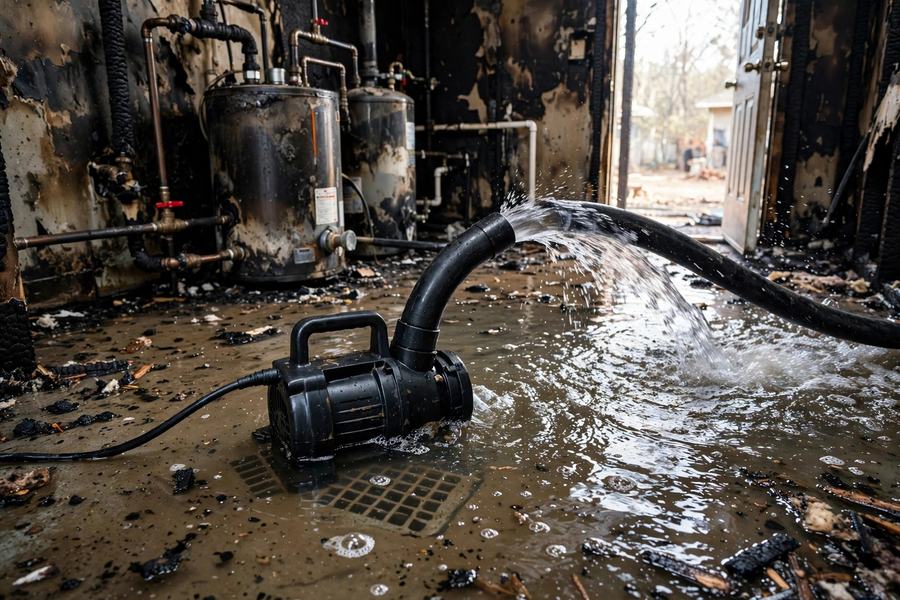
Published national figures from Angi (2026) put most homeowners' fire restoration between about $3,100 and about $52,000, with an average near $27,500 and cleanup priced around $4 to $7 per square foot. A minor kitchen smoke cleanup can start under $1,000, while a structural fire runs far past the top of that range. What decides your number is how many rooms burned versus smoked, whether structure is damaged, and how much firefighting water has to come out. Anyone quoting a firm total by phone is guessing; the honest sequence is an in person assessment and a written scope.
What should I do first after a house fire in Waltham?
Safety first, always: do not re-enter until the fire department says the structure is safe. Then, in order: call your insurer to open the claim, arrange board up for any broken windows, doors, or roof damage so the home is secure that night, and do not wipe soot, wash walls, or run the heating and air system, because all three spread the damage. Photograph everything before anything is moved or thrown away, and keep receipts for any emergency spending.
Can I stay in my home after a fire?
If the fire department or your insurer's assessment says the home is unsafe or uninhabitable, no, and loss of use coverage may pay for a hotel or rental in the meantime. For a contained fire (a kitchen fire with smoke through the house, for example) staying is sometimes possible after the assessment, but smoke residue is a respiratory irritant, the HVAC should stay off until ducts are checked, and children, older adults, and anyone with asthma should be cautious. Ask the question directly at the assessment and get the answer in the scope notes.
How long does fire restoration take?
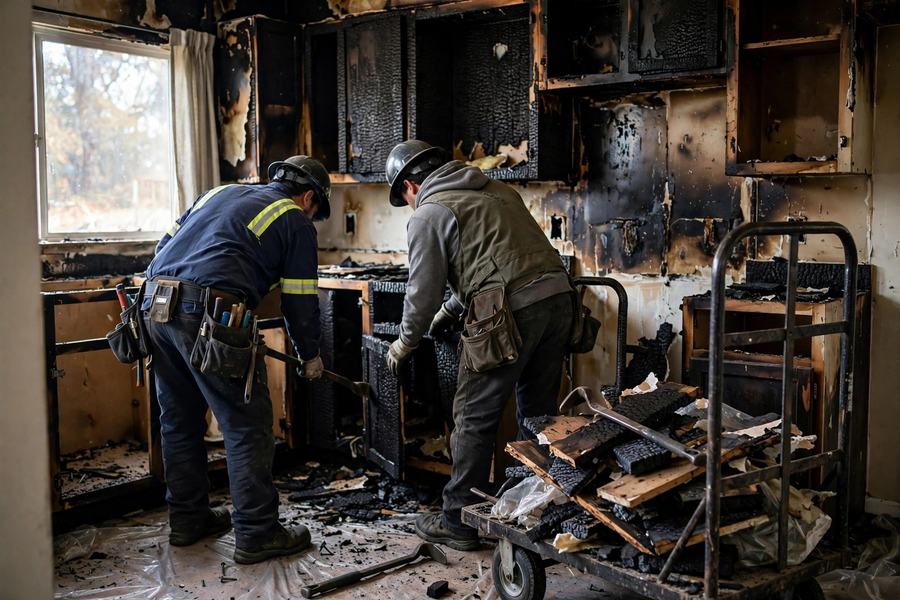
Smoke only losses typically take one to two weeks from first cleaning to odor treatment. A fire that damages structure runs to months: one or two rooms with structural work commonly take three to six weeks of active repair, and larger structural losses can run three to nine months including permits and inspections. The variables are the scope the insurer approves, material lead times, and inspection scheduling. A contractor should give you a phase timeline in writing, not a single date promised on the phone.
Can I clean soot and smoke damage myself?
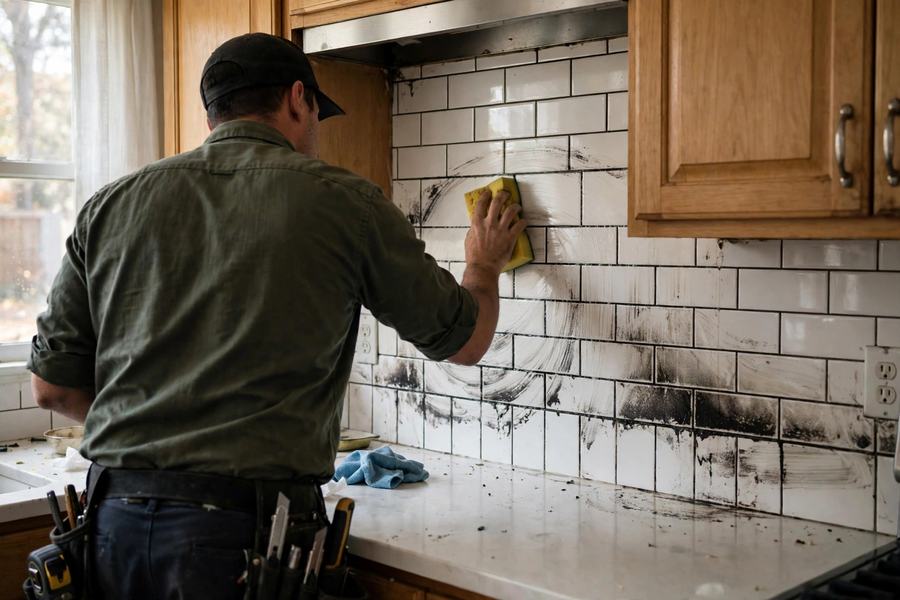
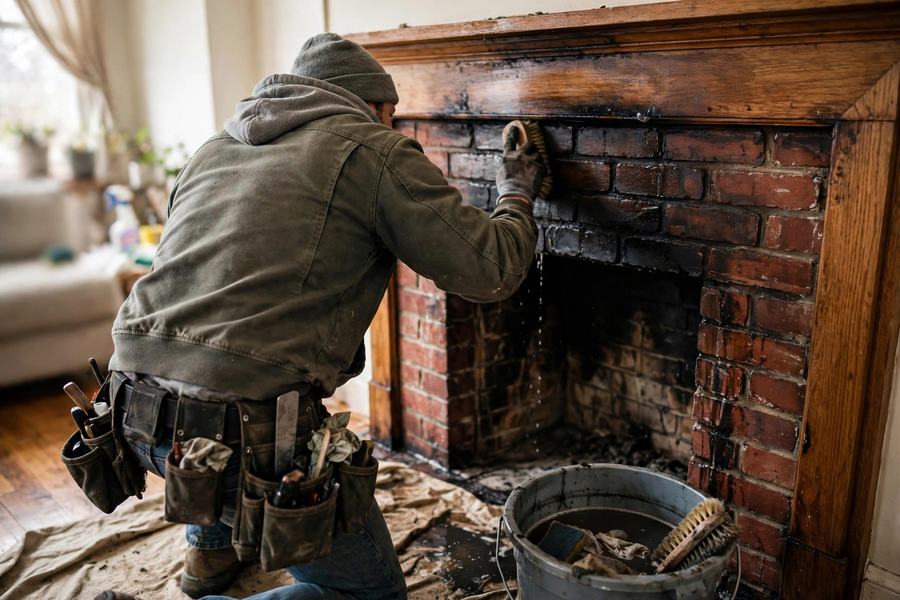
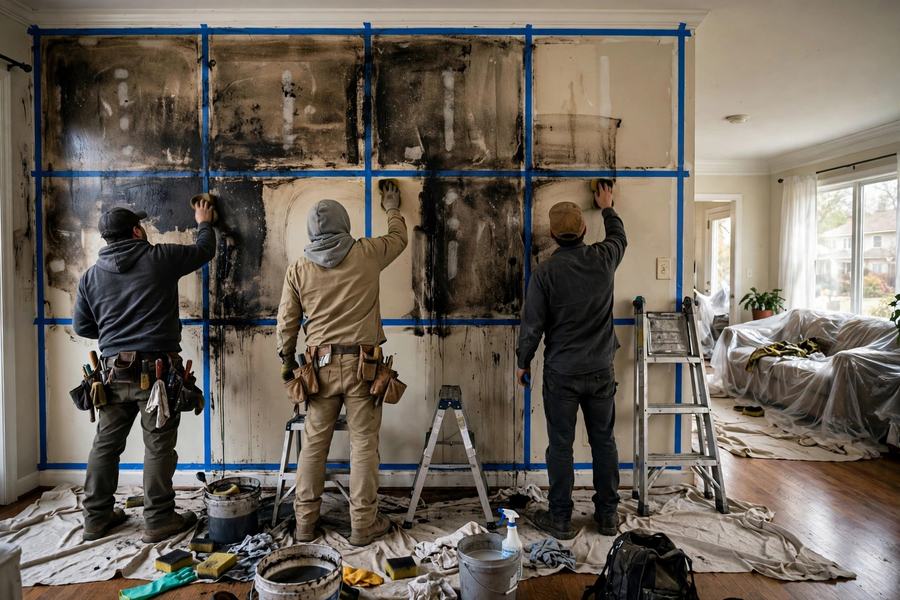
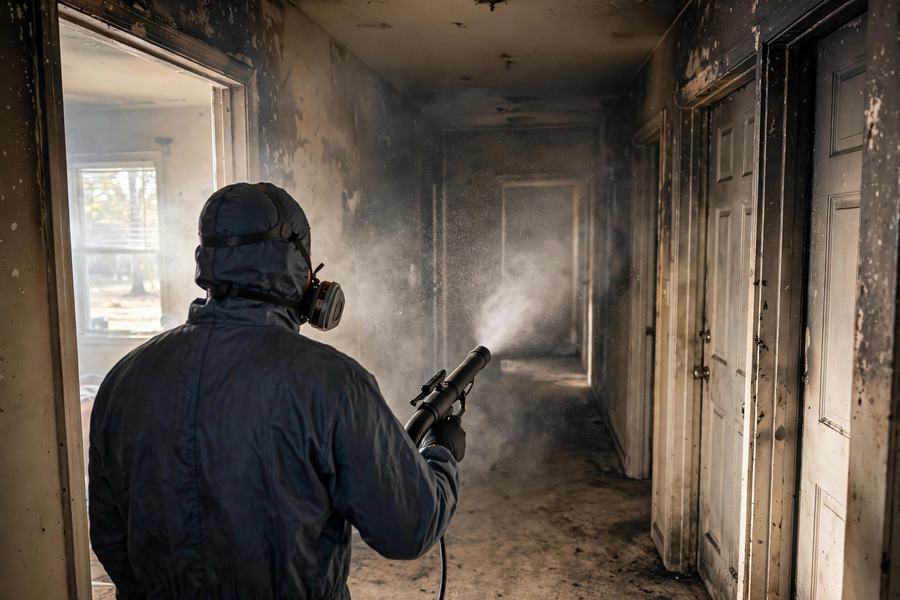
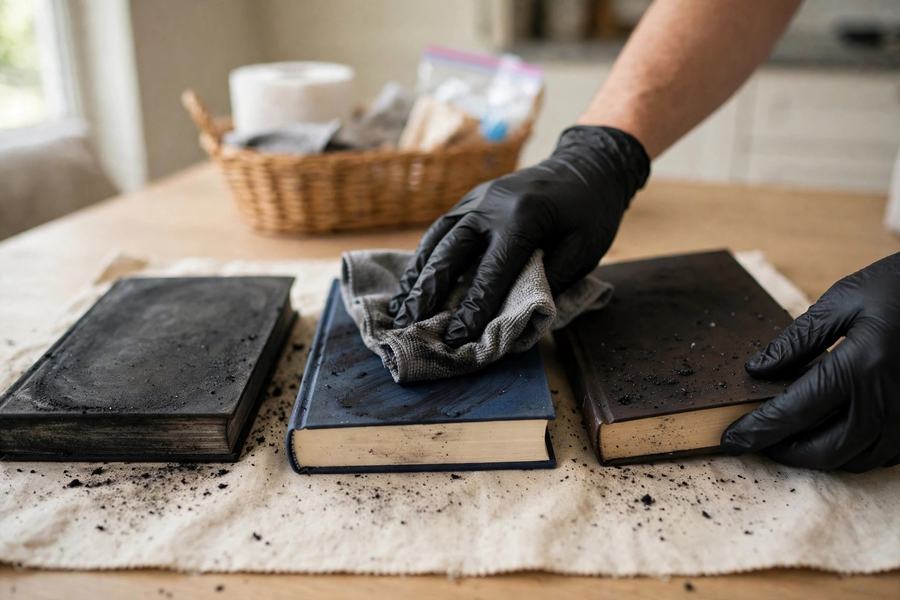
For a very light smoke film in one room, careful cleaning is possible, but two warnings matter. First, never wet wipe soot before dry lifting it: water and household cleaners smear soot and can set stains into paint permanently. Second, protein smoke from a kitchen fire and soot inside ducts, cabinets, and wall cavities are beyond household tools, and acidic soot left sitting etches metals and finishes within days. If the smell or film reaches more than the room that burned, a professional assessment is the safer call.
Will insurance pay for temporary housing after a fire?
Usually yes, if your policy includes loss of use (Coverage D), which most standard homeowners policies do. It pays the additional living expenses of being displaced, hotel or rental, and the increased cost of meals and essentials, up to your policy limit, while the home is uninhabitable due to a covered loss. Keep every receipt from the first night. If the home is habitable after the assessment, loss of use generally does not apply, which is one reason the habitability decision gets documented carefully.
What is board up and why does it have to happen the same night?
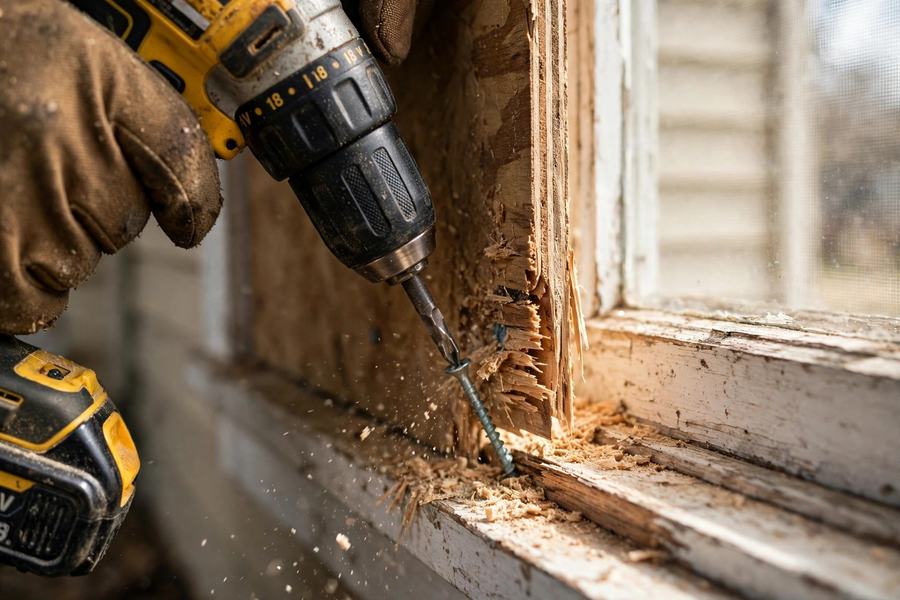
Board up is securing the home after the fire: fitted boards over broken windows and doors, and tarps over roof damage. It has to happen the same night for three reasons. Weather through a broken roof or window turns a fire loss into a fire plus water loss by morning. An open, visibly damaged home invites entry and theft. And insurers expect the property to be protected from further damage as a condition of the claim. The board up work is photographed and becomes part of your claim documentation.
See all questions →
Local guides